


The grieving mother stood hesitantly at the podium, her left hand trembling as she held her prepared speech, typed and double-spaced. She looked down at her paper, up at the faces staring back at her, down, then up again. In Spanish, an interpreter at her side, the mother tells the Arlington ISD Trustees seated behind their microphones how the father of her autistic grandchildren high-tailed it out of their lives when he couldn’t cope with the burden, and when their mother died, she became mom.
Her life as mom and dad and worker and tutor is difficult enough without the prospect of her children now facing a big change.


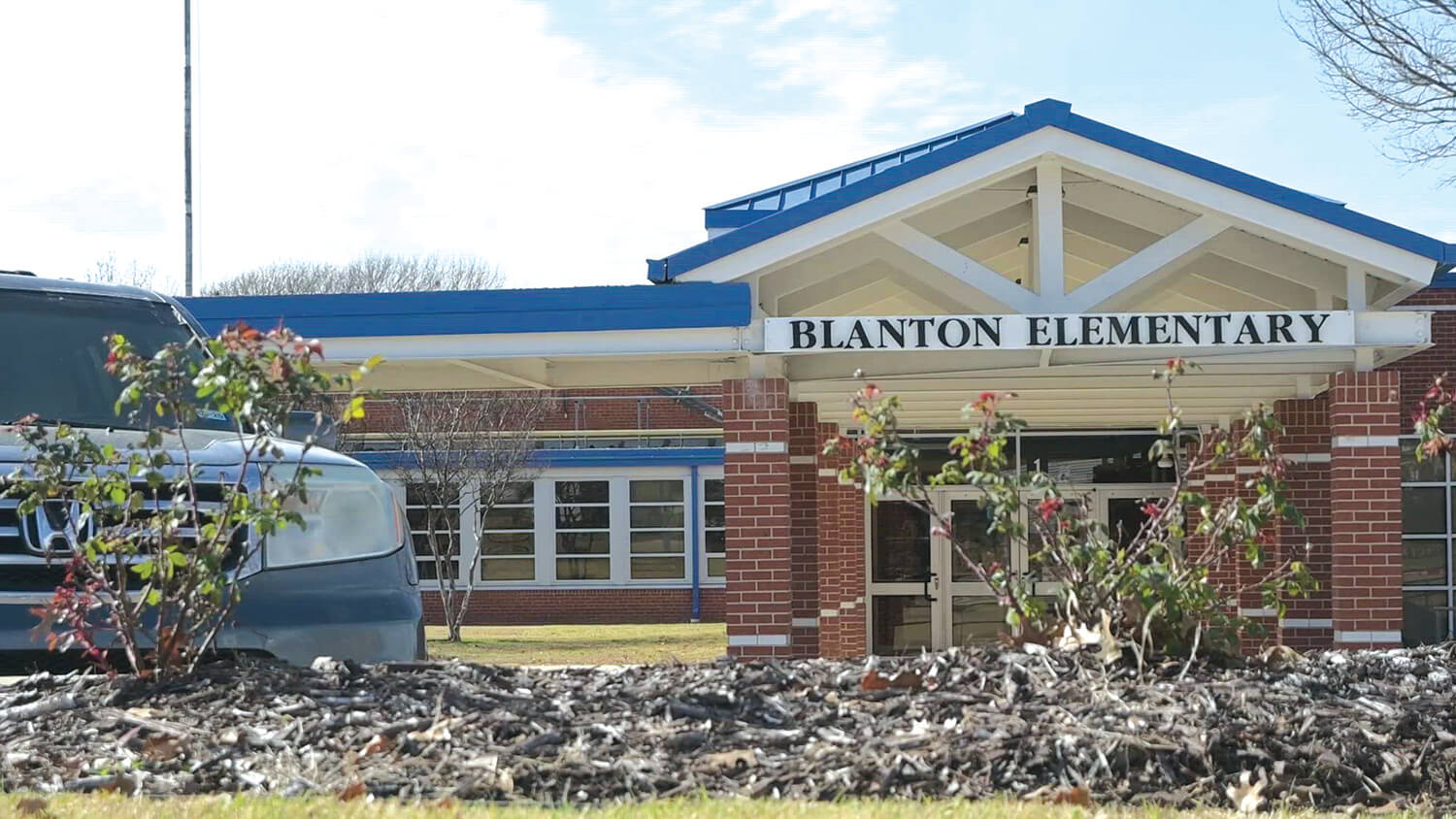
That big change is the closure of Blanton Elementary, due in part to its shabby test scores, its crumbling building, and its enrollment that, like most other district schools, is losing students and thus money it takes to run them.
The grandmother was preceded by a single mother who spoke of walking her “severely autistic” child to Blanton, two miles from their front door, a routine she says her daughter depends on.
“Now I feel terrified,” she told the trustees, their faces fixed and solemn. “How will she get on a bus, and get on a bus with kids she doesn’t know?”
What a mess. Scenes like these are playing out not only in Arlington but in school districts across the country as officials confront shrinking budgets and enrollment. Still, witnessing it in person gives it a different sort of emotional feel. School closures bring grief, loss, and instability — emotions that are intensified in communities that have long been underserved.
It’s painful to see Board President Justin Chapa, a Sam Houston graduate who cares deeply for his home district, address these concerns knowing what he’s up against. He told attendees at the previous Is-Blanton-On-The-Chapping-Block? meeting, how the board has been working feverishly to put funds toward maintaining the building, but those funds simply aren’t there to save it.
“We have been working very hard to put as many resources toward schools like Blanton as we could,” he said. “But we had many Blantons.”
Have, actually.
The weight of those decisions was evident throughout the meeting. One parent listed campus after campus with failing ratings, describing how overwhelming it has been to research where her child might go next year.
“What options do I have?” she asked quietly before returning to her seat.
This special meeting followed a closed-door meeting by district officials, which is why the trustees listened but said nothing, other than Chapa telling some speakers they could ignore the your-time-is-up buzzer.
Don’t think Arlington is alone in making these difficult calls. Look west to Fort Worth or east to Dallas to see the same difficult choices being made.
Blanton just happens to represent one of those perfect storms: declining enrollment, declining academic performance (an “F” rating on Texas academic accountability standards for three years; two more means a state-intervention law or “takeover”), and a building — constructed in 1956 — that is rapidly deteriorating.
As I said. A mess. Hard choices, no matter which way you turn. Perhaps the hardest moments come when students themselves express their personal fears over what’s happening. One of whom strolled up to the podium to speak, clutching his own prepared text.
He called Blanton his “second home” and thanked teachers who helped him pass TELPAS and STAAR exams while improving his reading and math scores.
“Now this is what I get,” he said. “I’m scared, upset, and heartbroken.”
It’s difficult to imagine anyone in the room feeling differently.
Kenneth Perkins has been a contributing writer for Arlington Today for more than a decade. He is a freelance writer, editor and photographer, and teaches Journalism and Writing at Bowie High School.