

Pressure washers, sweepers, and citrus chemicals take over
There are few things more humbling than realizing your city spent an entire weekend turning into a high-speed playground… only to spend the next two weeks aggressively scrubbing it like it spilled barbecue sauce on a white couch. (Which I have done, by the way).


Welcome to our Arlington, where one day you’re watching Indy Cars scream past sold-out grandstands, and the next day, a guy named Rick is out there with what can only be described as a pressure washer from the future, erasing your tire-related sins.
Because here’s the part nobody tells you during or after the Java House Grand Prix of Arlington: racing is temporary, but skid marks are forever… unless you hit them with 40,000 PSI and a citrus-based cleaner that smells like an orange got a college degree in chemistry.
Let’s start with the real MVP of race weekend cleanup: ultra-high-pressure water blasting. This isn’t your backyard hose, mind you. This is the kind of water that can blast away layers of rubber, paint, and whatever dignity the asphalt had left after three days of being treated like a Hot Wheels track.
Then come the industrial sweepers—basically, road-weary street-cleaning tanks. These machines don’t “sweep” so much as they dominate. With giant spinning brushes and blowers, they roll through the Entertainment District picking up pretty much everything he sees.
And if something really refuses to leave—like that one stubborn patch of burnout rubber that clearly has emotional attachment issues—they bring out the chemical cleaners.
We’re talking specialized solvents, including D-limonene, a citrus-based degreaser. Imagine your streets getting cleaned by something that smells like a high-performance orange.
But wait, there’s more. Because before the race even started, Arlington coated its streets with something called PPG Race Guard. It’s a high-tech, water-based, anti-slip coating designed to handle race speeds and come off cleanly afterward. In other words, it’s like putting a temporary Snapchat filter on your roads—except instead of dog ears, you get 200-mph cornering grip.
Once the race ended (it was March 13 to 15, for those keeping score at home), crews got to work peeling that coating off like it was the world’s most expensive layer of sunscreen. Along with it went the fences, barriers, and grandstands that had turned Arlington into a full-blown racing spectacle. And what a spectacle it was.
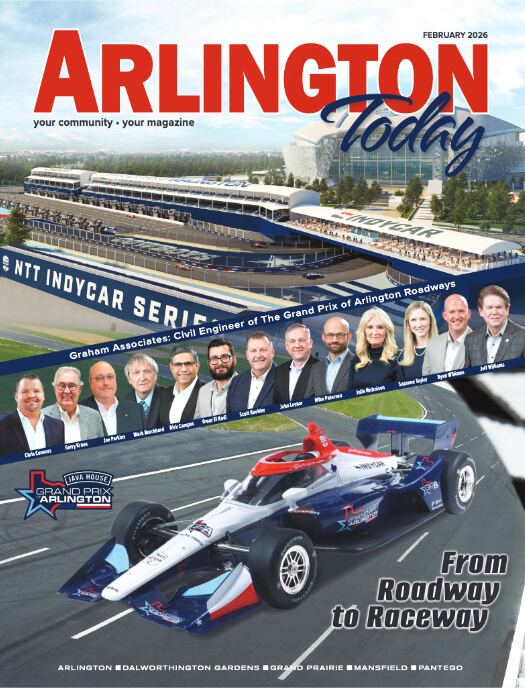
Thousands of fans packed into the Entertainment District, watching drivers fly through a 2.73-mile street course that twisted through the heart of the city.
“I can’t say I’ve ever seen anything like this,” said Robert Newberry, who attended with two buddies, also in awe. “I thought after a little bit I’d be bored, but there’s something about the speed that pulls you in.”
According to organizers like Jonathan Bailey of Penske Entertainment, it was “breathtaking.”
The event was years in the making—two years of planning, two months of building—and now about two weeks of taking it all down. Slowly but surely, roads reopened, piece by piece.
And while the cleanup crews were out here pressure-washing reality back into place, wide-eyed city leaders were already looking ahead. Mayor Jim Ross made it clear: this wasn’t just about fast cars zooming around town. It was about packed hotels, busy restaurants, and Arlington stepping onto the global stage—right before hosting matches for the 2026 FIFA World Cup at AT&T Stadium, no less.
In other words, our beloved Arlington is not done showing off.
So yes, the engines have quieted. The grandstands are coming down. And somewhere out there, a crew member is still battling a particularly stubborn skid mark with a citrus-scented vengeance.
Because in Arlington, we don’t just host big events. We clean up after them like the decent professionals we are.