

It is likely that only a small percentage of Arlington’s current residents, more than 400,000 people, have any idea of the city’s earliest history.
With this year’s celebration of our 150th anniversary, there are many ways to raise awareness of the reality that who we are today was actually set into motion all those years ago.


That’s a very good thing because it raises our sense of community pride in our hometown. Seemingly, everyone would want to make that connection.
I’ve had an opportunity to join with Arlington’s premier historian in delivering the stories that beg to be told.
After a five-decade-long career as a premier journalist and author of the most complete book on our history*, O.K. Carter asked me to join him in the first podcast kicking off the anniversary celebration.
His introduction to the series – “We’re bringing you the voices and legacies that make this city a cornerstone of Texas and a proud part of America’s story.”
Pretty big promise, but it’s what he knows and wants to share. Here are some excerpts from the script to whet your appetite.
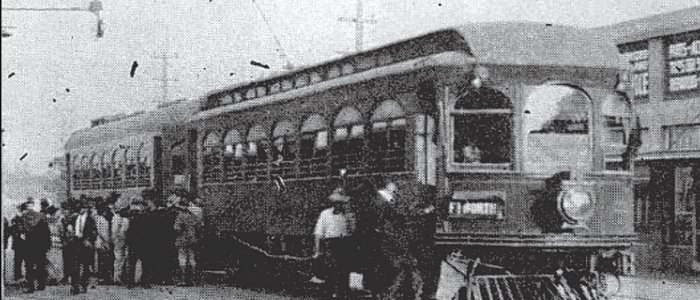
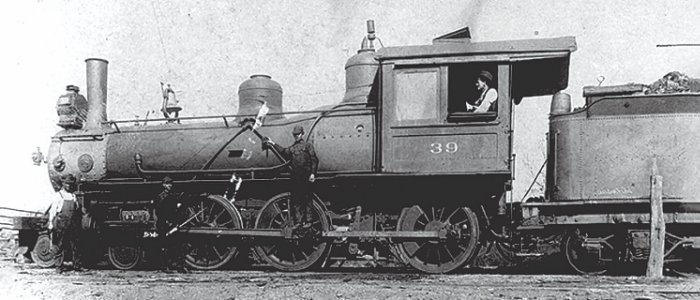
TRAIN STOP – It begins on July 18, 1876, as Texas & Pacific Engine No. 20 pulls into a newly surveyed community on brand new railroad tracks midway between Fort Worth and Dallas – a half-mile by half-mile community laid out in neat 100-yard blocks. A place that will become Arlington. Its first identity will be as exactly what it is – a train stop farming community where farmers brought their cotton and other crops. People from all over, even other states, decide to settle here. Its destiny is to be far more than a train stop.
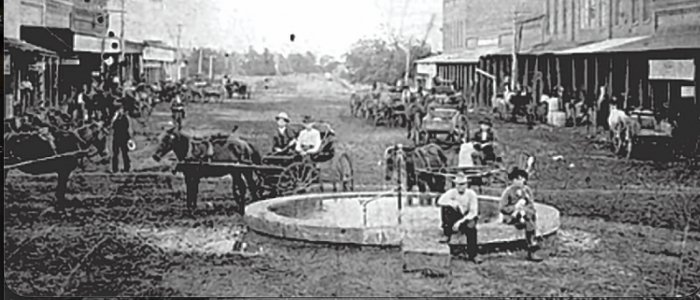
MINERAL WELL – By 1892, so many farmers (hundreds sometimes) were coming to Arlington on weekends to have their cotton baled and shipped that it created a dilemma – those farmers and livestock needed water. The city decided to drill a well right in the middle of Center and Main streets. The deep well came through that year. Much to everyone’s surprise, the water gushed up; it was a mineral well under so much pressure that for a while, 50,000 gallons a day flowed into the street. Arlington promoted the waters as being medicinal both for drinking and bathing. So our first brand, other than farming, was for mineral water. Arlington would be called a “water stop” until the early 1950’s when the well was shut down.
THE INTERURBAN – An electric trolley system called the Interurban came right down the middle of Arlington in 1902, creating another sort of brand for lots of people, even then, the convenience of a residence halfway between Fort Worth and Dallas seemed obvious – the first hint that Arlington would become well-known as an ideal commuter location, made even more convenient by better roads and the automobile.
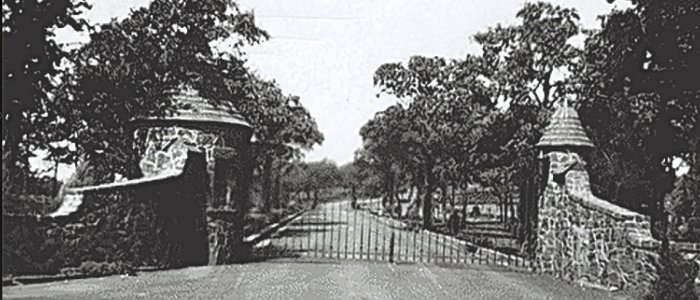
GAMBLING – Ask most people what Arlington’s biggest claim to historical fame is, and they’ll say gambling. The Top O’Hill Terrace began as a 1920s tearoom before transforming into an infamous illegal casino, drawing celebrities and operating behind hidden rooms and tunnels until raids shut it down in the early 1950s. Benny “The Cowboy” Binion used his Arlington earnings to open the famed Horseshoe Casino in Las Vegas.
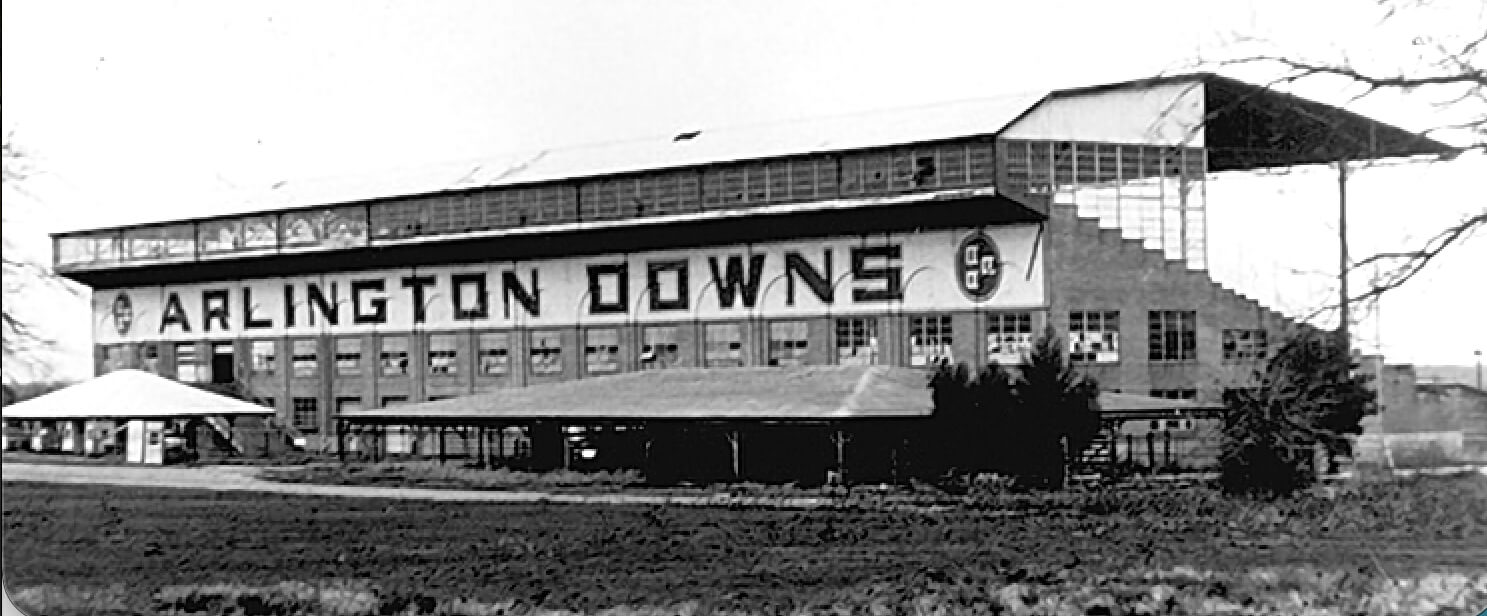
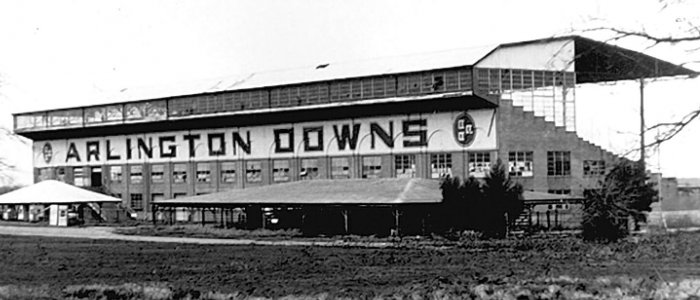
Millionaire W.T. Waggoner had a small ranch in Arlington, using it as a location for Arlington Downs, which opened in 1929 as a major Texas racetrack, thriving after pari-mutuel betting was legalized in 1933, but declined once the law was repealed in 1937. The site was later demolished. A developer named Angus G. Wynne, Jr. bought the ranch and used it for the eventual creation of the Great Southwest Industrial Park and another of Arlington’s famous brands, Six Flags Over Texas.
There’s much more to come. Check in on the city’s website, arlingtontx.gov, and click the “Arlington’s 150th Anniversary” Hot Topic button to take a look. Do it often, as it is updating all year long.
*Caddos, Cotton and Cowboys: Essays on Arlington
Photos courtesy of the Arlington Historical Society.
Richard Greene is a former mayor
of Arlington.